
What To Know About The West Nile Virus Before Your Next Trip
When planning a trip, you’re probably more concerned with finding cheap flights, choosing where to stay, and working out what to see and do rather than worrying about mosquito bites. But while some travel risks are easy to overlook, the West Nile virus is one worth knowing about before you go depending on where you plan to travel.
Spread primarily through infected mosquitoes, Wat Nile virus has been detected across much of the world, including destinations in the United States, southern Europe, the Middle East, Africa, and parts of Asia. While the risk varies depending on where and when you travel, a few simple precautions can help reduce your chances of infection.
How West Nile Virus Spreads
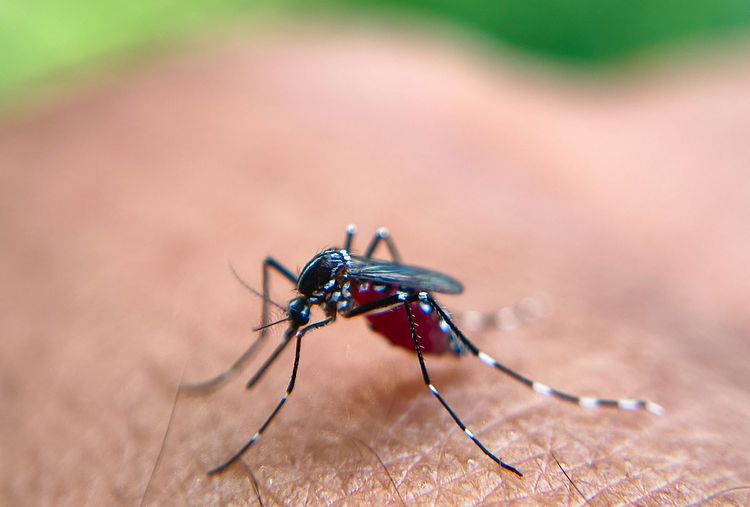
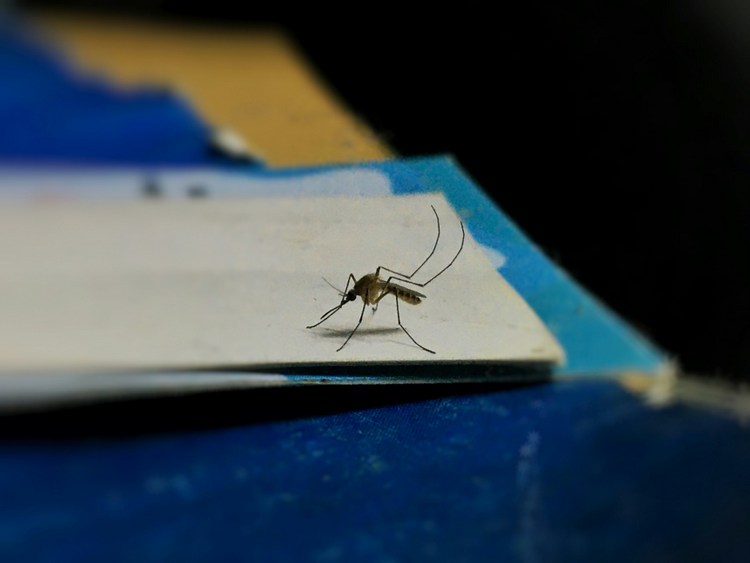
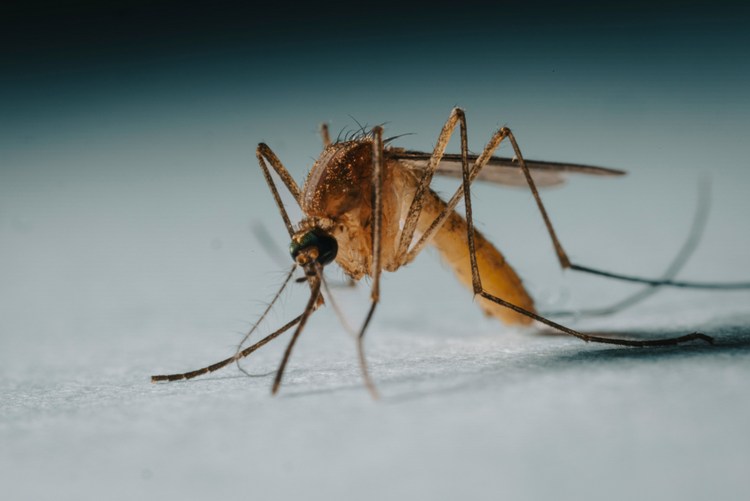
West Nile virus lives in birds, and mosquitoes spread it to people. A mosquito bites an infected bird, picks up the virus, and passes it along when it later bites a human or another animal. Mosquitoes of the Culex genus are the main carriers, and they are most active from dusk through dawn. That timing matters for you as a traveler, because those special evening al fresco dinners at restaurants, sunset beach walks, and early-morning hikes all fall within peak biting hours.
The virus does not spread through casual contact, coughing, or touching an infected person. In rare cases it has been transmitted through blood transfusions, organ transplants, and from mother to baby during pregnancy or breastfeeding, but for most travelers, a mosquito bite is the only realistic route of infection.
Why Awareness Matters for Travelers
West Nile virus reached the Western Hemisphere rather recently back in 1999, when it was first identified in New York. It has since become the leading cause of mosquito-borne disease in the continental United States, according to the Centers for Disease Control and Prevention.
Reported cases have ranged from roughly 1,000 to more than 2,500 per year in recent seasons, and health officials believe the true number of infections is far higher because so many mild cases go unreported.
Risk is also tied to the calendar. In the Northern Hemisphere, transmission typically peaks from late summer into early fall, which overlaps with popular vacation periods. Warm, wet conditions help mosquito populations grow, and standing water left by heavy rain creates ideal breeding grounds. A destination that felt completely safe in spring can carry a very different risk by August or September.
Local health agencies track this activity closely. According to FightTheBite.net, a renown Mosquito and Vector Control District, “Communities that monitor mosquito populations and test for the virus can spot rising risk early and act before human cases climb. Checking the surveillance reports for your destination before departure is a practical way to gauge conditions on the ground.”
Recognizing the Symptoms
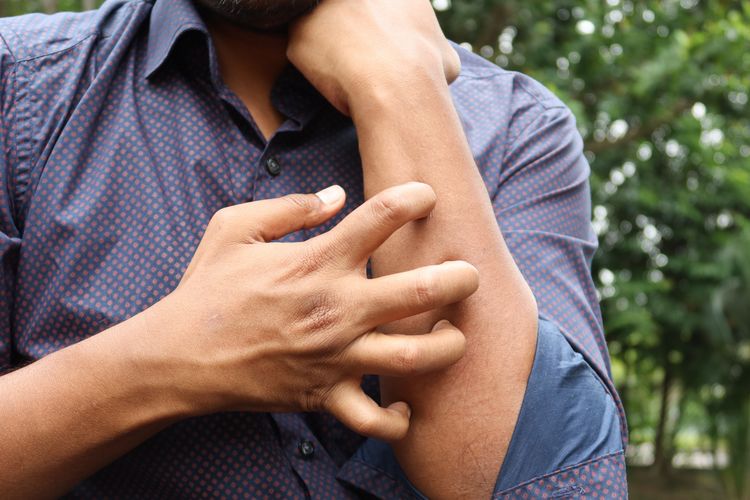
Roughly four out of five people infected with West Nile virus never develop any symptoms, which means a traveler like yourself could carry the virus without ever knowing it. About one in five infected people develop a fever along with other symptoms such as headache, body aches, joint pain, vomiting, diarrhea, or a rash. These symptoms can linger for weeks or even months, especially fatigue and weakness, which can interfere with your travel as well as when you return home and get back to work or your normal routine.
A small percentage of cases can become severe. Approximately one in 150 infected people develop a serious neurological illness, such as encephalitis or meningitis. Warning signs include a high fever, a stiff neck, confusion, disorientation, tremors, muscle weakness, and vision loss.
You face the highest risk for these more severe complications if you are over 60, have a weakened immune system, or one of certain types of chronic conditions. Symptoms usually appear within 2 to 14 days after a bite, so an illness that starts after you get home may still be connected to your trip.
Treatment and Medical Care
There is sadly no vaccine yet to protect humans from the West Nile virus and no specific antiviral medication. Mild cases are managed with rest, fluids, and over-the-counter pain relievers, while severe cases may require hospitalization for intravenous fluids, respiratory support, and nursing care.
Because treatment is largely supportive, prevention carries more weight than it does with many other travel-related illnesses. Anyone who develops severe symptoms during or after travel should seek medical attention promptly and let the provider know where they have been.
Practical Ways to Reduce Your Risk
The most effective protection is preventing mosquito bites in the first place. Health authorities recommend using an insect repellent registered with the Environmental Protection Agency that contains an active ingredient such as DEET, picaridin, IR3535, oil of lemon eucalyptus, or para-menthane-diol. Applying repellent after sunscreen, and reapplying according to the label, keeps coverage consistent throughout the day and evening.
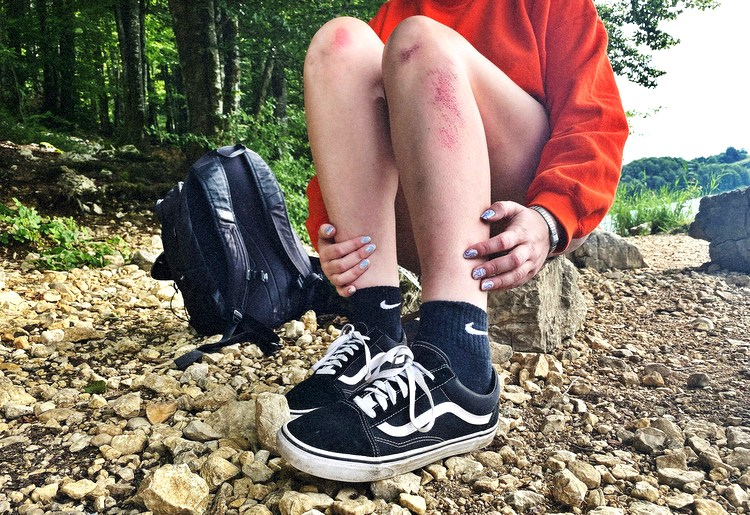
Choice of clothing also matters. Long sleeves, long pants, and socks create a physical barrier, and lightweight, loose-fitting fabrics keep that comfortable in warm weather. Some travelers pretreat clothing and gear with permethrin, an insecticide designed for fabric that can stay effective through multiple washes. It should never be applied directly to skin.
Where you stay can make a big difference as well. Try choosing accommodation with working window screens and air conditioning whenever possible, and keep doors and windows as much as possible. If sleeping areas are exposed to the outdoors, a bed mosquito net adds a useful layer of protection. Consider scheduling outdoor activities away from dusk and dawn hours, particularly if you find yourself near ponds, marshes, or other standing water where Culex mosquitoes thrive.
Planning Ahead Before You Go
A few minutes of research before departure can shape smarter decisions. Look up recent mosquito and virus activity for your destination through local health departments or national public health agencies.
Talk with a healthcare provider or travel clinic if you are older, pregnant, immunocompromised, or managing a chronic condition. They will likely be able to help you weigh the risks for your specific situation. Pack repellent, protective clothing, and a basic first-aid kit so you are not scrambling to find supplies once you arrive.
It also helps to keep an eye on your health after returning. If you develop a fever, severe headache, or unusual weakness in the following two weeks, mention your travel history to your doctor. That detail can speed up testing and diagnosis.
Travel Smart and Stay Protected
West Nile virus is rarely dangerous for the average healthy traveler, but its reach, its seasonal patterns, and its occasional severe outcomes make it worth taking seriously. Knowing how it spreads, when mosquitoes are most active, and which symptoms deserve attention puts you in a much stronger position to deal with the virus.
With sensible precautions and a bit of advance research, you can focus on enjoying your trip instead of worrying about what is buzzing around you.