
How Screen Time Is Quietly Affecting Your Eyes
Whether you’re planning your next getaway or exploring a new destination, screens have become an essential part of modern travel. From checking digital boarding passes and following GPS directions to researching restaurants, translating menus, sharing holiday photos, and staying connected with family back home, many travellers spend far more time looking at their phones than they realise. Combined with long flights, dry cabin air, unfamiliar lighting, and hours spent on the move, all that extra screen time can take a surprising toll on your eyes.
The effects of screen time rarely appear overnight. Eye strain builds gradually, often showing up as dryness, blurred vision, headaches, or tired eyes that can easily be dismissed as jet lag or simple travel fatigue. Even at home, where work, streaming, and endless scrolling have become part of daily life, our eyes are under constant pressure. Understanding how screen time quietly affects your vision is the first step towards protecting your eye health, so you can stay comfortable whether you’re travelling the world or simply going about your day-to-day life.
 Why Your Eyes Struggle With So Much Screen Time
When you look at a screen, you blink less often. Studies show that blink rate can drop by half or more during screen use. The fewer blinks you have, the less moisture has a chance to consistently spread across your eyes, which leads to faster dryness and that tired feeling you can often experience by the afternoon hours.
Screens also keep your eyes focused up close for long periods. Normally, your eyes shift between near and far throughout the day. Screen use keeps your eye muscles in one position for much longer than they are designed to.
Glare and brightness can also add to the problem too. Poor screen settings or harsh lighting overhead can make your eyes work harder just to see clearly, which adds to the feeling of tiredness.


The Early Signs Most People Brush Off
The first signs of digital eye strain are often so subtle that they can be easy to ignore. Dryness, grittiness, burning sensations, and irritated eyes are common, but many people assume they are simply tired or need a better night’s sleep. The headaches, blurred vision, and difficulty focusing that often develop later in the day are often just blamed on stress, dehydration, or long working hours rather than the amount of time spent looking at a screen.
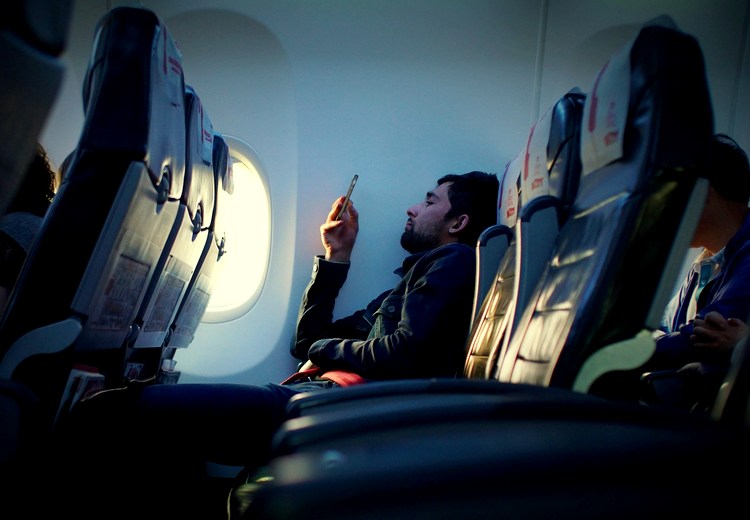
When you’re travelling, these early warning signs can be even easier to overlook. After all, sore eyes or a mild headache might seem like a normal part of a long-haul flight, a full day of sightseeing, or adjusting to a new time zone. However, hours spent using your phone to navigate unfamiliar streets, check transport schedules, translate signs, capture photos, or scroll through social media while travelling can all add to the strain you experience. Dry cabin air on flights and air-conditioned airports, hotels, and public transport can reduce moisture in your eyes even further, making discomfort even more noticeable.
Eye strain is not always limited to your eyes, either. Looking down at a phone or tablet for extended periods can lead to poor posture, causing tension in your neck, shoulders, and upper back. This muscle strain often contributes to headaches and can make eye discomfort feel even worse. Because these symptoms tend to develop gradually rather than all at once, many people don’t realise their daily screen habits are playing a significant role until the discomfort becomes difficult to ignore.

Why the Effects Sneak Up on You
One of the reasons digital eye strain is so easy to ignore is that it rarely appears all at once. Instead, it develops gradually as your eyes adapt to small amounts of stress day after day. Because the discomfort builds so slowly, you can begin to accept tired, dry eyes as normal rather than recognising them as a sign that your eyes need a break.
A big part of the problem is how we use our phones, tablets, and laptops. Studies have shown that people blink significantly less when looking at a screen, causing the tear film that protects the surface of the eye to evaporate more quickly. Over time, this can leave your eyes feeling dry, irritated, and fatigued. Add in everyday habits such as working in poor lighting, sitting too close to a screen, switching constantly between your laptop and phone, or spending hours without taking a proper break, and the strain continues to build.
Travel can make these habits even harder to avoid. Whether you’re navigating a new city with your phone, reading digital boarding passes, catching up on work during a flight, or spending hours editing and sharing holiday photos, your eyes often get fewer opportunities to rest. Long-haul flights, dry cabin air, bright airport lighting, and unfamiliar environments can all compound the problem, turning what feels like harmless screen use into hours of continuous visual effort.
The good news is that digital eye strain is often preventable. Recognising how these everyday habits quietly affect your eyes is the first step towards making simple changes that can help protect your vision.

How Glasses and Contact Lenses Play a Role
The right eyewear can make a noticeable difference to your comfort during long periods of screen use, while an outdated prescription can have the opposite effect. If your glasses or contact lens prescription has not been checked in a while, your eyes may have to work harder to stay focused, increasing your chances of experiencing headaches, blurred vision, and digital eye strain. Regular eye examinations help ensure your prescription keeps up with any changes in your vision.
For contact lens wearers, comfort often comes down to choosing the right lenses and caring for them properly. Because staring at a screen reduces how often you blink as stated earlier, your lenses can dry out more quickly, leaving your eyes feeling irritated by the end of the day.
Wearing well-fitted lenses, replacing them according to the recommended schedule, and following good cleaning habits can all help keep your eyes more comfortable. If you’re travelling, it’s also worth remembering that dry aircraft cabins, air-conditioned hotels, and different climates can make contact lenses feel drier than usual.
Listening to your eyes is just as important as choosing the right lenses. If your eyes regularly feel dry or fatigued after a day of work, sightseeing, or scrolling through travel photos, lubricating eye drops recommended by your optometrist may provide relief.
Glasses with anti-reflective coatings can also reduce glare from screens and improve visual comfort, particularly in brightly lit offices, airport terminals, or cafés. While some lenses also include blue-light filtering coatings, research on their ability to reduce digital eye strain is mixed, so maintaining healthy screen habits and taking regular breaks remains the most effective way to protect your eyes.

The Role of Your Environment
Your surroundings can have a bigger impact on your eyes than you might realise. A room’s lighting, air quality, and environment around you all influence how hard your eyes need to work while focusing on screens. Harsh overhead lights, reflections on a screen, direct sunlight through a window, or using a device in a dark room can increase glare and force your eyes to constantly adjust, leading to greater discomfort over time.
Travel can introduce even more challenges. Reading on your phone during a long flight, working from a hotel room, or checking maps while exploring a new destination often means using screens in less-than-ideal conditions. Bright airport terminals, dimly lit restaurants, outdoor sunlight, and unfamiliar workspaces can all create extra visual strain, especially when your eyes are already tired from travel.
Air quality also plays an important role. Dry environments, including aircraft cabins, air-conditioned hotels, heated rooms, and strong fans, can cause moisture to evaporate from the surface of your eyes more quickly. This can worsen the dryness already associated with prolonged screen use, particularly when you are blinking less while concentrating on a device.
Reducing screen glare, positioning yourself in better lighting, taking regular breaks, and keeping your eyes comfortable in dry environments are all small adjustments you can make a significant difference. These simple habits can help protect your eye health whether you are working from home, travelling overseas, or simply spending more time connected each day.
Habits That Actually Make a Difference
Protecting your eyes from screen strain does not require throwing away your phone or completely disconnecting from technology. Just small consistent changes to your daily routine can have a noticeable impact.
One of the simplest techniques is the 20-20-20 rule which requires you to look at something around 20 feet away for at least 20 seconds every 20 minutes. While it’s not a cure-all solution on its own, it gives your eye muscles a chance to relax and refocus, helping reduce the fatigue that builds up during long periods of screen use.
Your screen setup also matters. Try to keep your screen brightness similar to the lighting around you, avoiding strong reflections or glare, and positioning your device at a comfortable distance with the top of the screen around eye level wherever possible.
These habits are especially useful while travelling because screen use often happens in less-than-ideal situations. Checking directions while walking, watching movies on a flight, working from a hotel room, or scrolling while waiting for transport can quickly add up. Taking a moment to adjust your posture, find better lighting, or look away from your device can give your eyes valuable recovery time.
Making a conscious effort to blink fully and regularly, especially during long screen sessions, will help maintain the protective moisture layer on the surface of your eyes. And remember that a proper break means stepping away from screens altogether. Switching from a laptop to a phone during a break may change the device, but your eyes are still doing the same work.

When Eye Strain Might Be Something More
While occasional tired eyes after a long day of screen use are common, ongoing discomfort should never be ignored. If symptoms such as persistent redness, burning, excessive watering, sensitivity to light, or blurred vision continue even after taking breaks and giving your eyes time to rest, it may be a sign of an underlying issue such as dry eye or a change in your vision.
When self-care measures such as taking regular screen breaks, adjusting your environment, and keeping your eyes comfortable are no longer providing relief, it’s wise to visit an optometrist or eye care professional who can check whether your prescription, contact lenses, eye health, or another factor may be contributing to the problem.

Small Changes Add Up
Screens are now a normal part of modern life and trying to completely avoid them is neither practical nor necessary. Whether you’re working, staying connected with family, navigating a new destination, or capturing memories while traveling, digital devices are often part of the experience. The goal is not to eliminate screen time, but to create healthier habits around how you use it.
Protecting your eyes does not require a major lifestyle overhaul. Simple changes including following the 20-20-20 rule, improving your lighting, adjusting your screen setup, taking genuine breaks away from devices, and ensuring your glasses or contact lenses are suitable for your needs can make a meaningful difference over time.
Digital eye strain again often develops gradually, which is why it is easy to overlook. By paying attention to the early warning signs and making small adjustments before discomfort becomes a daily issue, you can help keep your eyes feeling comfortable wherever life takes you. After all, healthy vision is not just about seeing clearly, rather it’s about being able to fully enjoy the moments that matter, whether they happen while exploring the world or simply at home.