Reading Water Like a Tracker: Finding Fish in Country You’ve Never Seen
Every destination has its own language and it’s one that is spoken not through words, but through landscapes, weather and the subtle clues that reveal how nature works. The longer you spend outdoors, the more you begin to notice these patterns. A sheltered bay where the water suddenly deepens, a quiet bend in a river where the current slows, or a fallen tree creating shade along the bank all tell a story to those willing to slow down and observe.
Learning this secret natural language becomes especially useful if you’re an avid angler. Wherever you travel, the species of fish may of course change, but fish are still drawn to the same essentials which include food, shelter, changing currents and protection from predators.
Learning to recognise these features means you will need to rely less on blind luck and more on your understanding of the environment around you. Add in tools such as Fishbox, and the process becomes even easier since you gain access to very useful maps, local conditions and community knowledge before you even arrive.
Whether you’re exploring a mountain stream you’ve never seen before or casting from an unfamiliar stretch of coastline, knowing what to look for can greatly improve your fishing success. Here’s how to start reading the water like a tracker.


Where Fish Like to Gather
One of the first lessons experienced anglers learn is that fish rarely spend long in featureless water. Fish have a habit of gathering where one part of their environment changes into another. These transition zones often provide the best food, shelter and protection, making them some of the most productive places to fish no matter if you’re in North America, Europe or Southeast Asia.
Depth changes are often a great place to begin. Drop-offs, underwater ledges and channel edges allow predatory fish to remain hidden in deeper water while watching for prey moving through the shallows.
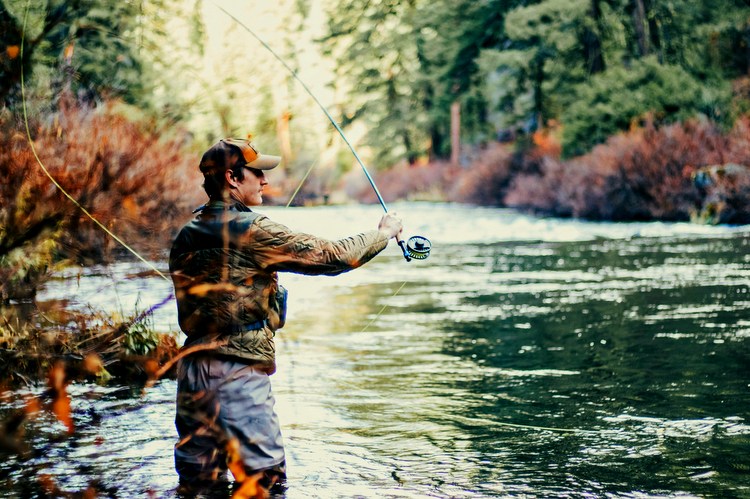
Rivers offer another reliable clue in the form of current seams, where faster water meets slower water. These natural boundaries carry food downstream while creating calmer areas where fish can conserve energy before darting out to feed. Similarly, structures such as fallen trees, boulders, bridge pylons, harbour walls and weed beds interrupt the flow of water, creating natural shelter that fish instinctively seek out.
It’s also worth paying attention to shade and inflows. Overhanging trees, steep banks and other shaded areas often provide cooler water and protection from predators, while streams, springs and drains flowing into larger waterways introduce fresh oxygen, changing water temperatures and a steady supply of food.
Rather than trying to fish every stretch of shoreline you can reach, spend a little time identifying areas that provide the strongest examples of these natural features. A few well-chosen locations will almost always produce better results than attempting to cover a long distance without a plan.
Let Nature Point the Way
One of the easiest mistakes to make when fishing unfamiliar water is focusing only on what’s happening beneath the surface. In reality, some of the most valuable clues are happening all around you. Birds, insects and even the behaviour of smaller fish constantly reveal where food is gathering, and wherever food gathers, larger fish are rarely far behind. Learning to take notice of these signs will also improve your chances of success
Waterbirds are often the first place to look. Terns repeatedly diving into the same area usually indicate schools of baitfish close to the surface, which can attract larger predatory fish below. Herons and egrets don’t spend hours standing in one location by chance either. Their patience is often rewarded because they’ve found productive feeding grounds, while cormorants have an uncanny ability to locate fish long before most people would recognise the signs.
The water itself also tells a story if you take the time to watch it. A gentle swirl beneath the surface may simply be a fish turning, while baitfish suddenly scattering or leaping from the water often signals that something is actively hunting below. On calm days, small rings spreading across the surface can indicate fish feeding on insects, suggesting a very different type of activity from the explosive strikes of predatory species.
Don’t overlook what’s happening above the water either. A hatch of insects or even beetles and ants blown onto the surface by the wind can create an unexpected feeding opportunity, drawing fish into areas that seemed lifeless only moments before.
Perhaps the most valuable skill of all is patience. Before making your first cast, spend a few quiet minutes simply observing. The longer you watch, the more these natural clues begin to reveal themselves, and you’ll often discover that nature will show you exactly where to fish if you’re willing to keep your eyes open.
Star Reading the Conditions
Finding a promising fishing spot is only part of the challenge, as a good spot can quickly become unproductive. Fish constantly adjust their behaviour in response to changing conditions, so the perfect location in the morning may fish very differently by the afternoon.
Light is often the first factor to consider. During the middle of bright, sunny days, fish frequently seek deeper water or stay close to natural cover where they feel less exposed, particularly in clear lakes and rivers. Lower light at sunrise and sunset encourages many species to become more active, while overcast skies often allow fish to venture further from cover in search of food. It’s one of the reasons the first and last hours of daylight are so often the most productive times to be on the water.
Wind can also work in your favour, even if it makes conditions less comfortable. A breeze pushes plankton and other food sources across the water, attracting baitfish and the larger predators following them. The resulting surface chop also often helps disguise your presence, making fish less cautious than they might be on calm, mirror-like water. While the sheltered side of a lake may look more inviting, the wind-blown shoreline is often where the most activity can be found.
Finally, pay attention to water clarity. Clear water allows fish to see much further, meaning a quieter approach will usually prove more effective. Visibility is reduced of course in murkier conditions, so larger lures, stronger vibrations and bold silhouettes are what fish will detect.
Rather than treating every destination the same, let the conditions in front of you shape your approach. The more you adapt to what nature is telling you, the easier it becomes to read unfamiliar water wherever your travels take you.
Don’t Be Afraid to Move On
One of the easiest traps to fall into when fishing somewhere new is assuming that a spot should be productive simply because it looks appealing. A picturesque river bend or quiet stretch of coastline may catch your eye, but fish don’t always share our sense of scenery.
Instead of committing hours to one location, spend a little time reading the water, make a handful of casts and, if the signs aren’t there, then move on. The aim isn’t to fish every bit of shoreline, rather it’s to discover the places where fish naturally want to be and not where you want to be.
As you explore, you’ll often find that productive spots are concentrated in surprisingly small areas. A single current seam, submerged structure or sheltered pocket can hold far more fish than the surrounding water. Once you begin to recognise those features, it makes sense to slow down and work the area more thoroughly. Patience is important, but so is knowing when to continue the search.
It’s also worth keeping a record of what you discover. The location itself is only part of the story. Details such as the weather, wind direction, water clarity, tide or time of day often reveal patterns that become more valuable with every trip.
Over time, those observations will help you understand not only where fish were found, but why they were there. Digital tools such as Fishbox make it easy to record your catches alongside the conditions that led to them, creating a personal reference that will continue to grow more useful every time you travel and record.
Respect the Water You’re Fishing
Learning to read water isn’t only about finding fish, it’s also about understanding the environment you’re stepping into. The same rivers, coastlines and lakes that create incredible fishing opportunities can also change quickly, and recognising those changes is an essential part of exploring waters responsibly.
Small details that seem harmless can become serious hazards if overlooked. Algae-covered rocks can be unexpectedly slippery, fast-moving water that appears shallow can have enough force to knock you off balance, and tidal areas that feel safe at low tide can become isolated as conditions change. These risks are easy to underestimate, particularly when you’re distracted by the excitement of fishing somewhere new.
If you’re heading to more remote bodies of water, especially alone, take a few simple precautions before making your first cast. Let someone know where you are going and when you expect to return, check tides and weather conditions before committing to a location, and carry a reliable means of communication that you can access easily no matter the conditions.
The greatest skill an angler can develop isn’t simply knowing where fish are hiding. It’s learning to observe, adapt and respect the environment around them. When you slow down and pay attention, unfamiliar waters become less intimidating and far more rewarding.
The best travellers and anglers are those who observe, adapt and respect the places they visit.