Why Macau Is Worth Visiting for Travelers with All Kinds of Interests
Macau is known for its lavish casino resorts, but there’s far more to this fascinating destination than gaming tables and luxury hotels. Few destinations pack as much variety into such a small space as Macau seems to achieve. One moment you’re wandering colourful streets lined with centuries-old Portuguese architecture including historic churches, and the next you’re watching spectacular live performances, sampling famous Macanese cuisine, or taking in modern entertainment districts.
Macau offers a unique blend of Eastern and Western cultures unlike anywhere else in Asia. Whether you’re planning a weekend escape or adding Macau to a longer itinerary, this compact city offers something to surprise travellers of every interest.


European Charm Without the Long-Haul Flight
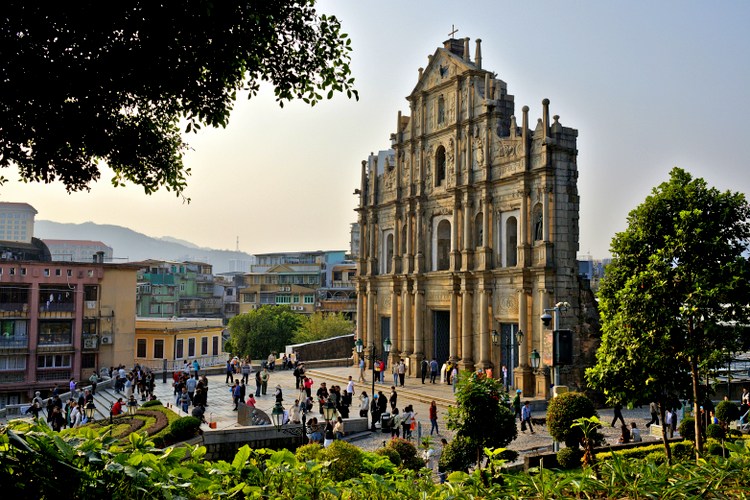
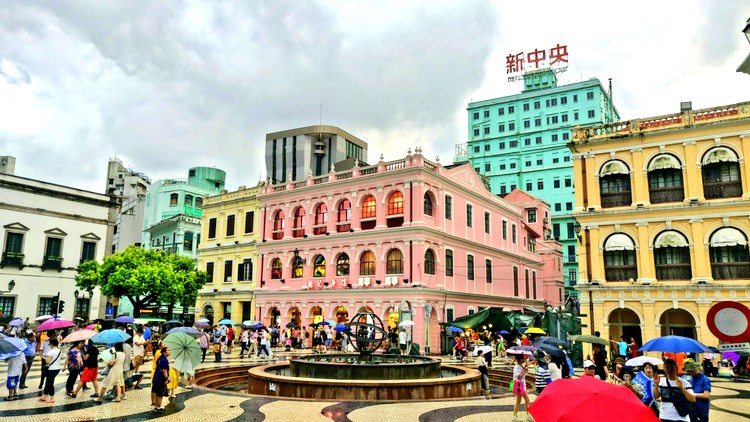
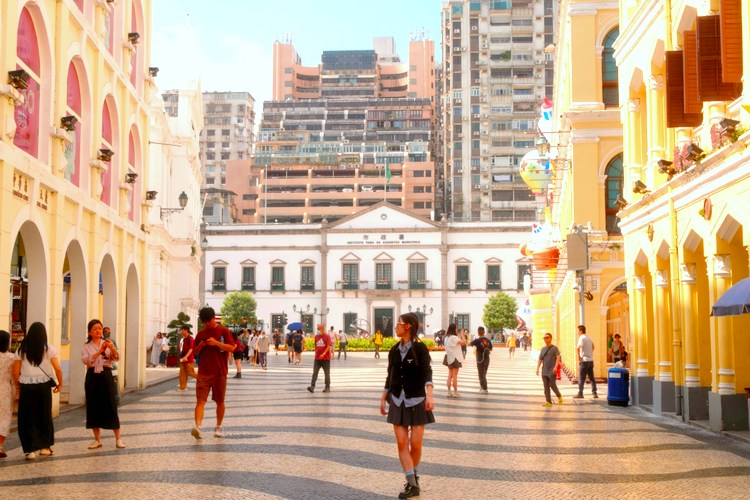
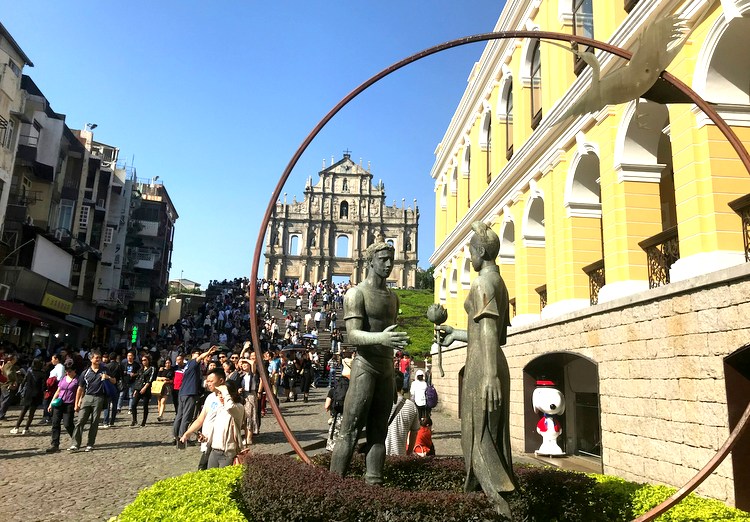
Wander through Macau’s historic centre and it’s hard not to notice its Portuguese influence. After all, the city was controlled by Portugal for more than 400 years, from the mid-16th century right up until nearly 2000, leaving behind a rich legacy of architecture, cuisine, language, and culture that still shapes Macau today.
Cobblestone streets, pastel-coloured buildings, traditional azulejo tiles, and bilingual Portuguese and Chinese street signs create an atmosphere that feels surprisingly European. Yet at the same time, you are also surrounded by subtropical gardens, bustling markets, and the unmistakable aromas of Chinese and Macanese cuisine. It truly is a unique blend that’s unlike anywhere else in Asia.
Step away from the main boulevards into the neighbourhoods of Taipa or Coloane, and the pace slows down. Instead of towering resorts, you’ll discover peaceful squares, family-run cafés, colourful colonial homes, and walking trails that take in the city and coastline. It’s a more relaxed side of Macau that many visitors overlook, but one that can become a highlight of your trip.
Entertainment That Surprises Even Without the Casinos
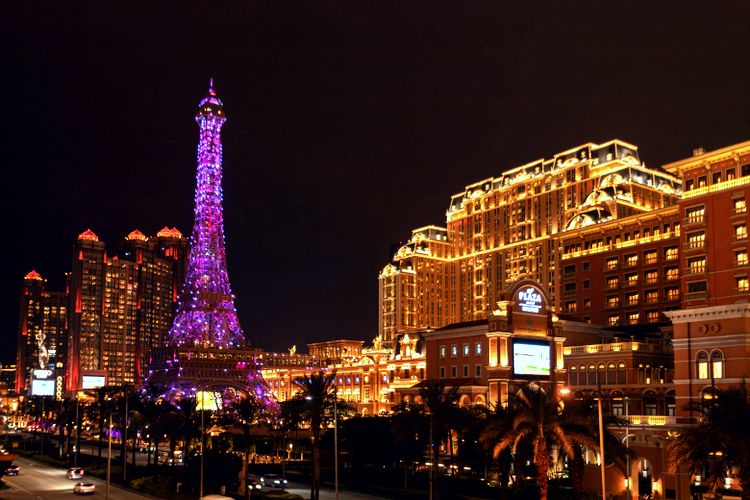
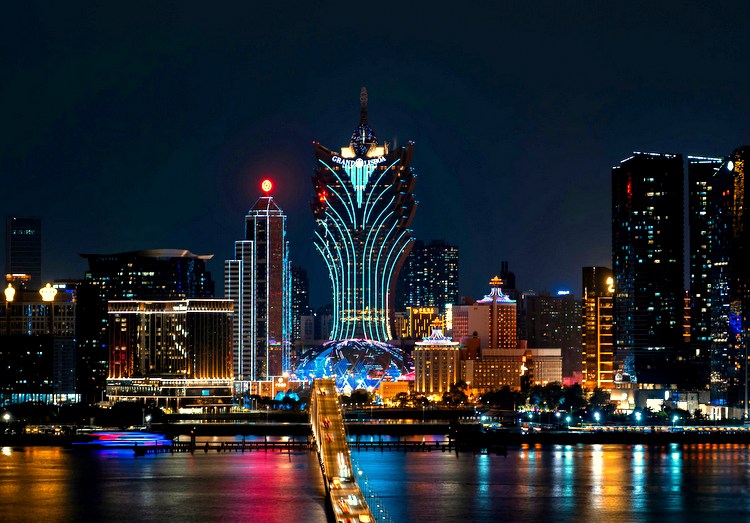
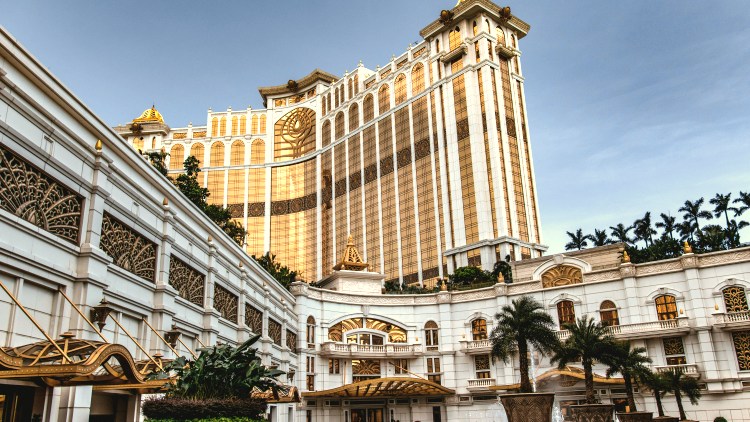
Macau’s entertainment precincts are about far more than gaming. Many of the city’s integrated resorts feel like destinations in their own right, featuring themed shopping arcades inspired by Venice and Paris, impressive architecture, exhibition spaces, concert venues, and family-friendly attractions. While casinos remain a major draw, Macau has grown into one of the world’s leading entertainment destinations, with gaming revenues that have long surpassed those of Las Vegas despite the city’s much smaller footprint.
One of the biggest surprises is how much you can experience for free. Many resorts host complimentary fountain displays, light installations, seasonal decorations, and cultural performances that you can enjoy without having to purchase a ticket. Even if you never step inside a casino, it’s easy to spend hours exploring the resorts and simply taking in the atmosphere.
The World’s Gambling Capital Keeps Evolving
While Macau has diversified into a destination known for its culture, entertainment, and cuisine, it’s impossible to dismiss the fact that gaming remains at the heart of its identity. The city has long generated more gambling revenue than Las Vegas, attracting millions of visitors each year who come to experience the sheer scale and excitement of its world-famous casino resorts.
At the same time, the gambling landscape is changing. Online casinos have made it possible for people around the world to enjoy table games and slot machines from home, contributing to the industry’s continued growth. Various promotions also play a role, including no-deposit bonuses, which according to an industry website have become increasingly numerous and are actively drawing in newcomers.
Even with the rise of digital gaming, Macau continues to offer something that can’t easily be recreated on a screen. The energy of a bustling casino floor, the sound of chips and cards, the grandeur of the resorts, and the social aspect all remain part of the experience that draws visitors from around the world. For many travellers, it’s this blend of iconic gaming venues alongside the city’s rich history, culture, and entertainment that makes Macau such a distinctive destination.
The Taste of Macau: A Fusion of Two Worlds
Macanese cuisine is one of the world’s most distinctive culinary traditions, shaped by more than 400 years of Portuguese and Chinese influence. Rather than belonging entirely to either culture, it represents the meeting point of two worlds, combining European cooking techniques and ingredients with exciting Asian flavours, spices, and traditions. The result is a unique cuisine that can only truly be experienced in Macau.
Some local favourites worth trying include:
- Galinha à Africana: a Portuguese-influenced dish of grilled or braised chicken covered in a rich, spicy sauce made with coconut, peanuts, and aromatic spices.
- Mian Zhi: a comforting local noodle dish often served as a hearty meal with meat and a flavourful broth.
- Serradura: a simple but beloved dessert made with layers of whipped cream and finely crushed biscuit crumbs.
The Portuguese influence is also visible in Macau’s everyday food culture. Pastéis de nata are Portuguese egg custard tarts with a crisp, flaky pastry shell, and are among the city’s most famous treats. Traditional cafés and restaurants continue to serve dishes influenced by Portugal’s coastal cuisine alongside Chinese favourites. Macau offers a rare chance to taste how two culinary traditions have blended over generations into something entirely its own.
When to Go and How to Combine It with Hong Kong
Macau is a year-round destination, but the cooler months from October to March are often considered the most comfortable time to visit. During winter, temperatures typically sit around 18 to 25°C, with lower humidity and plenty of sunny days. These ideal conditions make it more enjoyable to walk through historic neighbourhoods, explore outdoor attractions, and enjoy the city overall without the intensity of the summer heat. January and February can be particularly appealing if you’re looking for a mild escape.
One of the biggest advantages of visiting Macau is how easily it can be combined with a trip to Hong Kong. The Hong Kong–Zhuhai–Macau Bridge, including its bridge and tunnel network, stretches an impressive 55 kilometres, making it one of the world’s longest sea crossings.
Regular buses connect Macau and Hong Kong in roughly just an hour, making it possible to experience Hong Kong’s fast-paced skyline and harbour views alongside Macau’s historic streets, Portuguese heritage, and more relaxed atmosphere. The crossing is also straightforward for most travellers, with no separate Macau visa required for many passport holders.
Combining these two destinations into a single trip offers a fascinating contrast. They may be two cities just a short journey apart, yet each presents a completely different identity.
Useful Things to Know Before You Go
Before visiting Macau, a few practical details can help you plan your trip and make the most of your time.
Best time to visit
Macau is a year-round destination, but the cooler months from October to March are generally the most comfortable for exploring. Winter temperatures typically range between 18 to 25°C, with lower humidity and plenty of sunshine, making it ideal for walking through historic districts, visiting outdoor attractions, and exploring the city’s neighbourhoods.
Getting there
Macau International Airport connects the city with destinations across Asia, including cities such as Tokyo, Seoul, Bangkok, Singapore, and Manila. Many international travellers also combine Macau with a visit to Hong Kong, arriving by ferry, bus, or the Hong Kong–Zhuhai–Macau Bridge.
Flight accessibility
Macau is well connected with major Asian cities, including Hong Kong, Tokyo, Seoul, Bangkok, Singapore, and Manila. For example, flights from Vladivostok take approximately five hours, making Macau a convenient winter escape for travellers from Russia’s Far East.
Combining Macau with Hong Kong
The Hong Kong–Zhuhai–Macau Bridge stretches approximately 55 kilometres and connects the two destinations in around one hour by bus. For many travellers, this makes it easy to experience the contrast between Hong Kong’s modern skyline and Macau’s historic Portuguese heritage in a single trip. Visa requirements vary depending on nationality, so you should check entry requirements before departing.
Internet and connectivity
Staying connected in Macau is relatively straightforward. Popular services such as Google, YouTube, and WhatsApp generally work as normal, allowing you to use maps, communicate with family, and share your travel experiences.
Currency and payments
Macau uses the pataca (MOP) as its official currency. However, Hong Kong dollars are also widely accepted throughout the city, particularly in hotels, restaurants, and tourist areas. Credit cards and digital payment methods are also commonly available.
Language and culture
Cantonese is the most widely spoken language in Macau, while Mandarin and English are also commonly used in tourist areas. Portuguese remains an official language and can still be seen throughout the city on street signs, historic buildings, and government facilities.
Getting around
Macau is compact and easy to explore, making it possible to experience many of its highlights in a short visit. Public buses are affordable and cover most areas, while taxis and walking are convenient options for reaching historic sites, restaurants, and attractions.
Festivals and Events Throughout the Year
Macau’s calendar is filled with events that showcase the city’s unique mix of international entertainment, Chinese traditions, and Portuguese heritage. Throughout the year, festivals and celebrations bring added energy to its streets, waterfront, and entertainment districts.
One of the city’s most famous events is the Macau Grand Prix, which has attracted some of the world’s leading racing drivers for over 70 years. Held on the challenging Guia Circuit, a narrow street track that winds through the city, the event transforms Macau into a hub of motorsport excitement and draws spectators from across the globe.
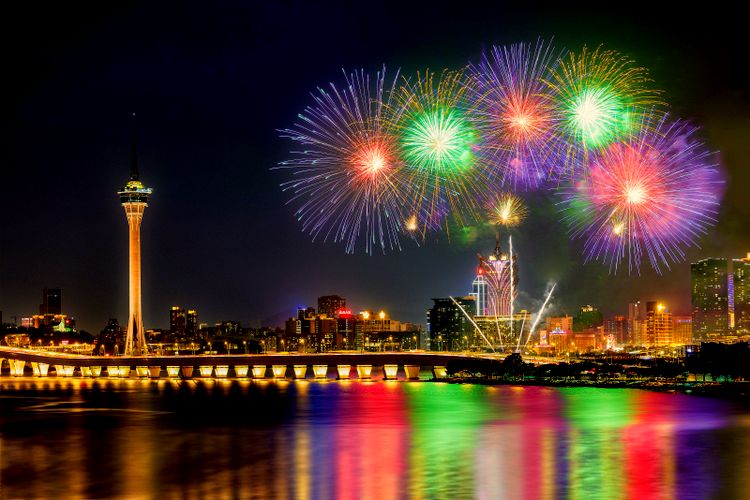
Macau’s winter celebrations bring the city to life with illuminated streets, seasonal displays, and spectacular light installations. The Macau Light Festival is particularly popular, combining colourful projections, interactive artworks, and creative displays that highlight the city’s landmarks after dark.
For those interested in culture, the Macau International Arts Festival showcases performances from around the world, including theatre, music, dance, and visual arts. Historic venues and public spaces become stages, creating unique opportunities to experience international performances.
Beyond these major events, Macau also celebrates traditional festivals throughout the year, including Chinese New Year, the Dragon Boat Festival, and the Mid-Autumn Festival. These celebrations offer a chance to experience local customs and the cultural traditions that continue to shape the city.
How Many Days to Allow
While it’s possible to visit Macau as a day trip from Hong Kong, a single day would only scratch the surface. Beyond the resorts, the city again offers centuries of history, UNESCO-listed landmarks, walking trails through Taipa and Coloane, and a food scene that deserves time to explore.
Two to three full days is a comfortable amount of time to experience Macau at a relaxed pace. This allows enough time to wander the historic centre, sample local cuisine, enjoy the entertainment districts, discover lesser-known corners of the city, and perhaps include a show or a side trip to Hong Kong.
Macau’s greatest appeal lies in its contrasts. It’s a place where Portuguese culture meets Chinese traditions, where historic streets sit alongside futuristic resorts, and where world-class entertainment exists alongside quiet cafés and local neighbourhoods. Whether you visit for the food, culture, photography, history, or simply the experience of somewhere different, Macau offers far more than you may expect.